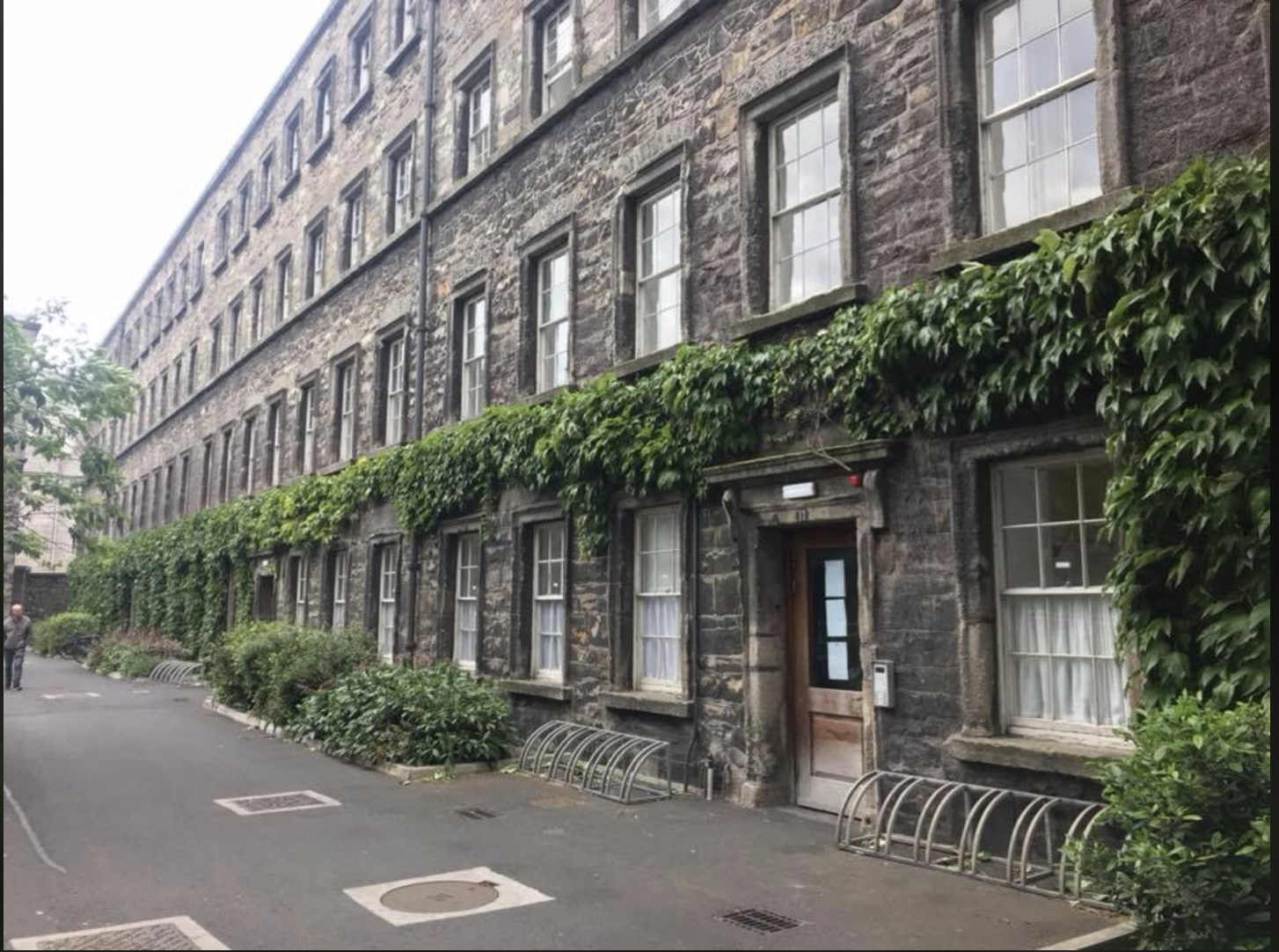
In the Summer of 2018, I was blessed with the opportunity to study abroad at the prestigious Trinity College of Dublin. While in Ireland, I undertook an eight credit course-load that focused on Irish Politics and Irish Sociology. At the end of the six-week semester, I received an A & and A- in my courses.
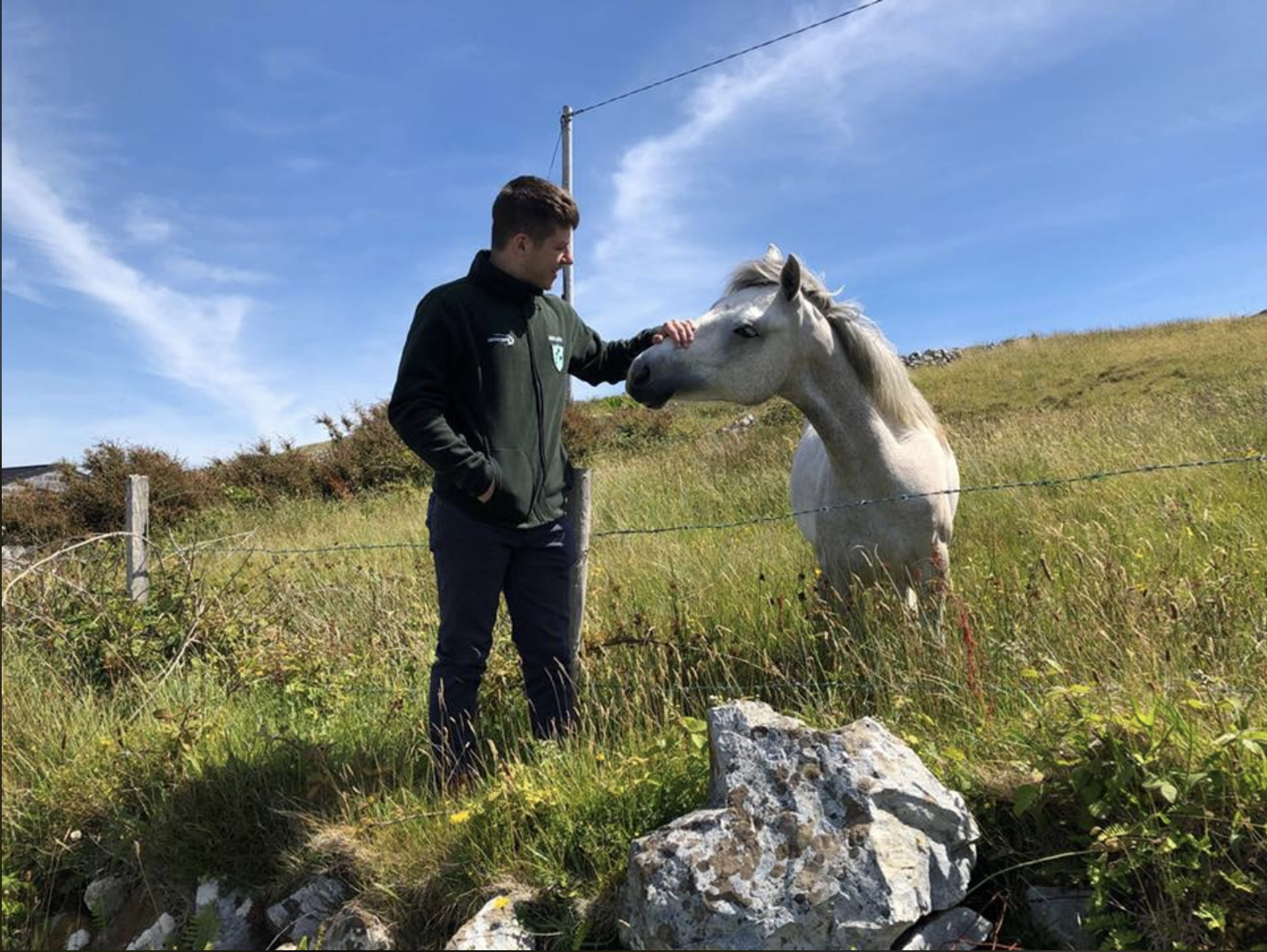
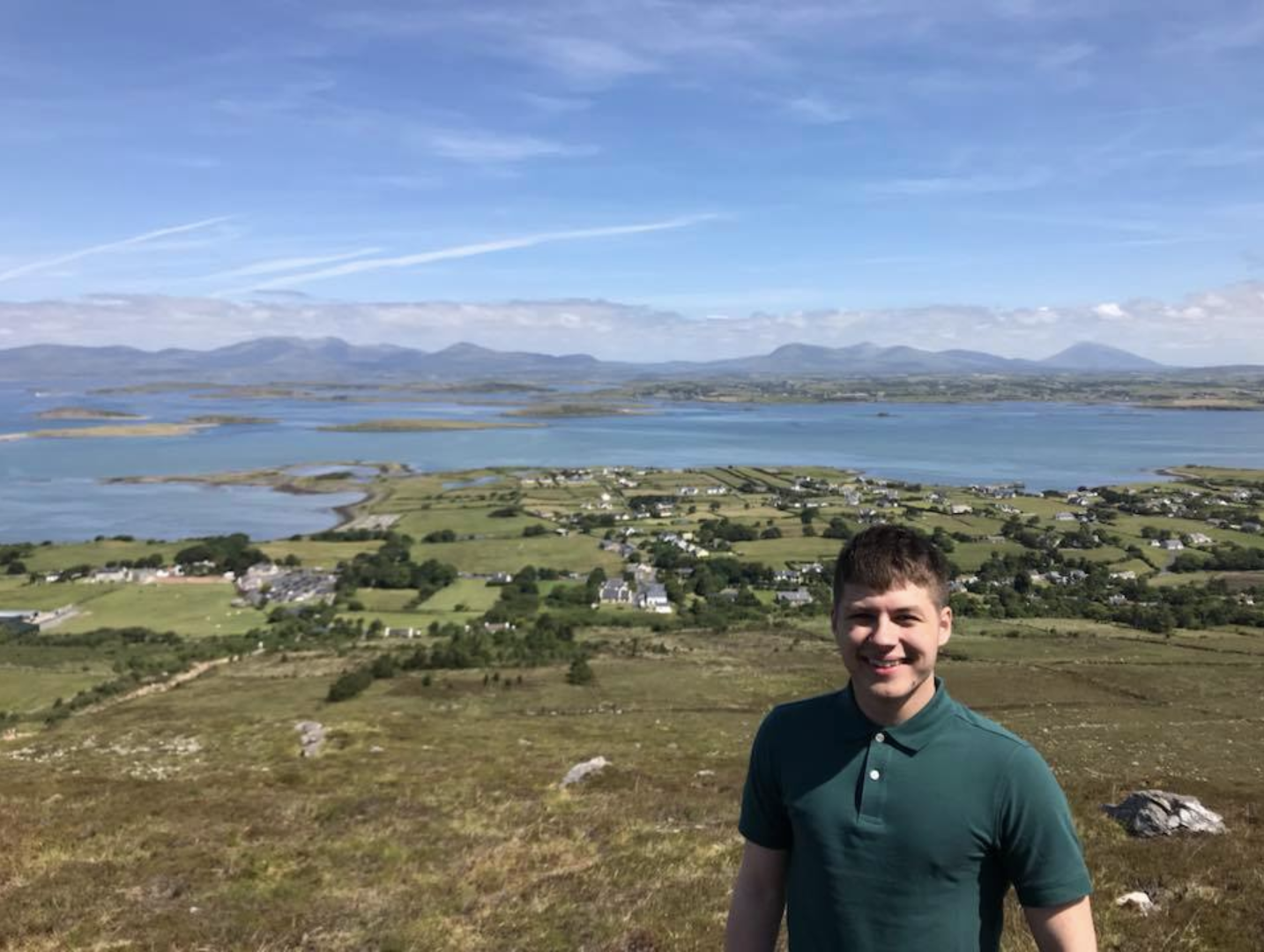
The value of this experience hardly remains limited to the classroom, much like how my growth as a student and as a political theorist has developed beyond the classroom at Rutgers I was lucky enough to supplement the academic experience with a tremendous cultural immersion in Ireland.
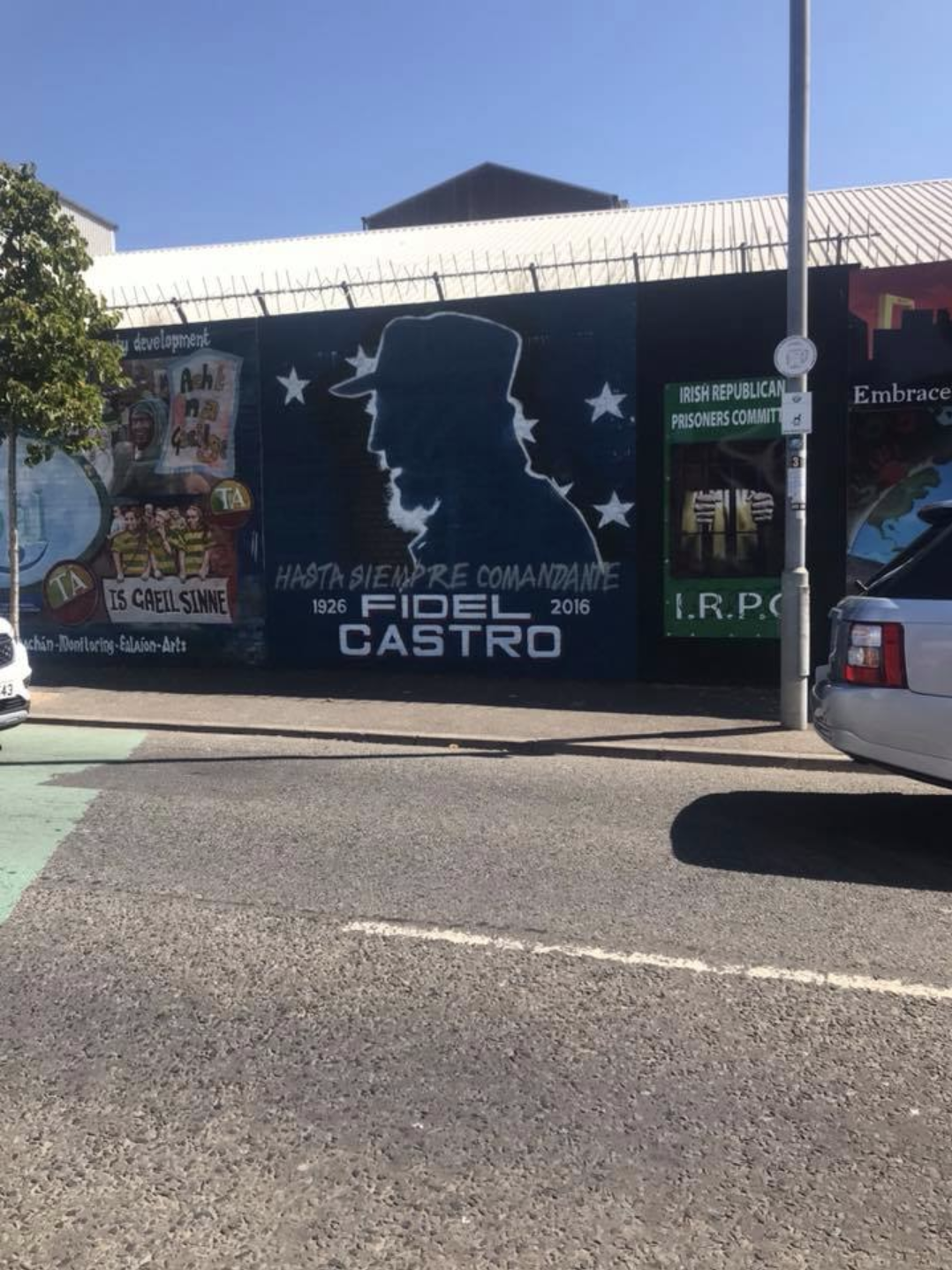
As part of this program, I visited the famous opposing murals in Belfast, Northern Ireland and witnessed firsthand how despite the peaceful resolution of the armed conflict between Republican Catholic Irish and Unionist Protestant Northern Irish partisans at the turn of the millennium, many sources of tension and distrust still openly exist on those streets. I will never forget the feeling I had as I stood beside a seemingly beautiful building and listened in shock as our guide described in painstaking detail the suffering of hundreds of young adults that were ambushed and trapped inside of a discotheque as explosions erupted. As his voice quivered and he described the loss of his own cousin, I began to question and deeply consider the value and meaning of attaching oneself to religious ideology.
While this experience could not correctly be understood in context without having received the educational lectures at Trinity, the experience of meeting somebody afflicted with such suffering as a result of religious conflict really emphasized in my mind the necessity of bridging cultural divisions and working toward a future of pluralistic democratic governance.
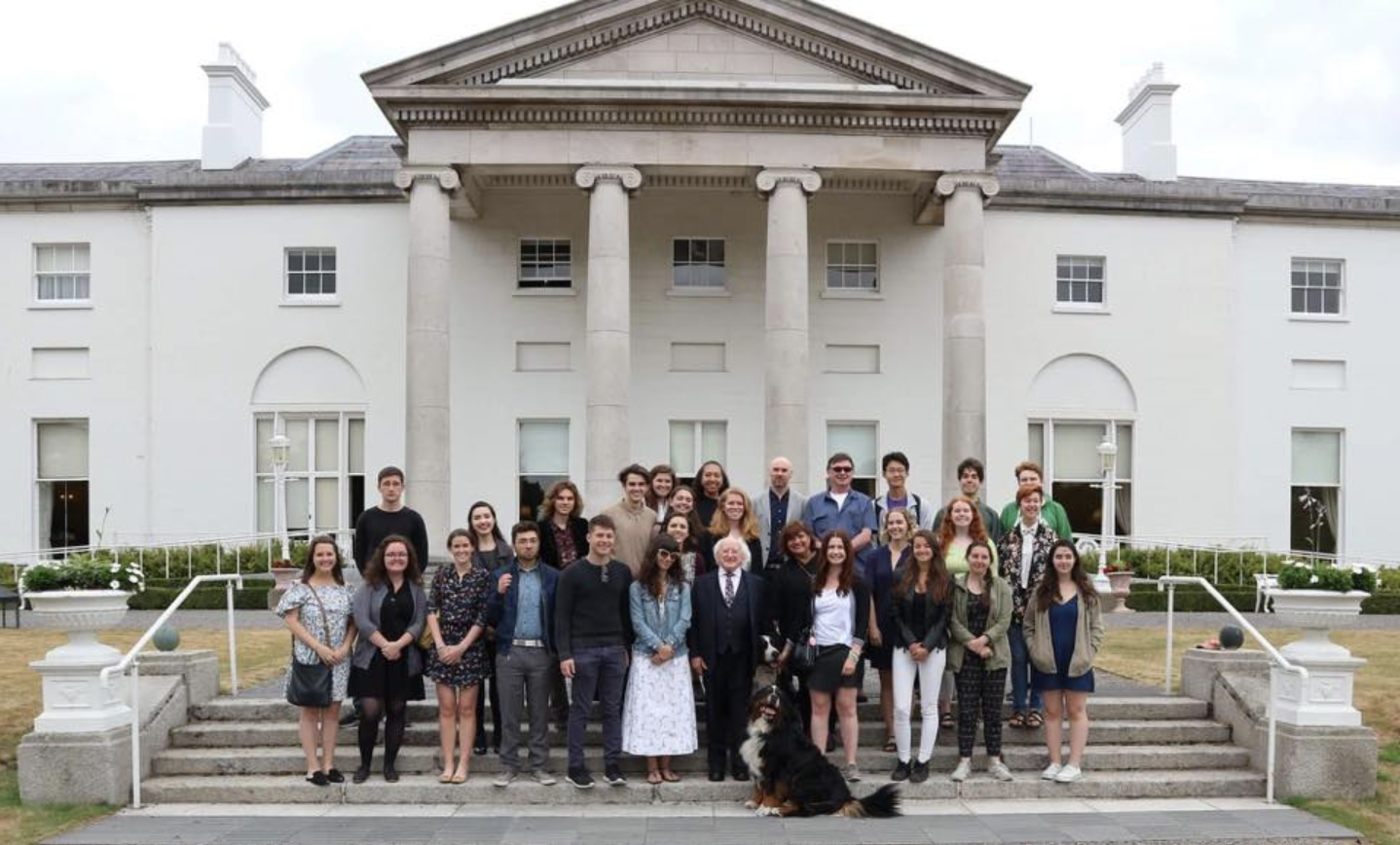
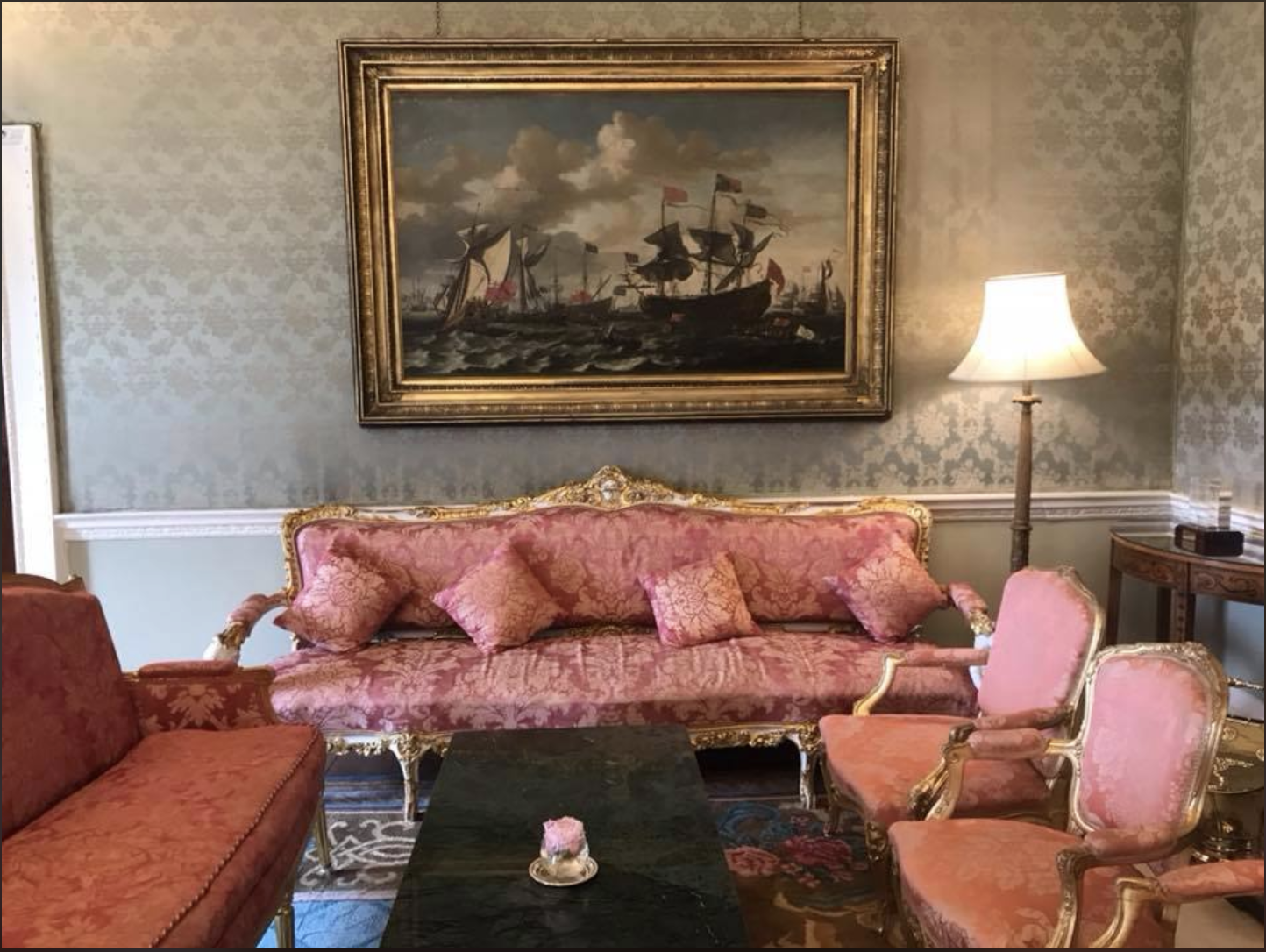
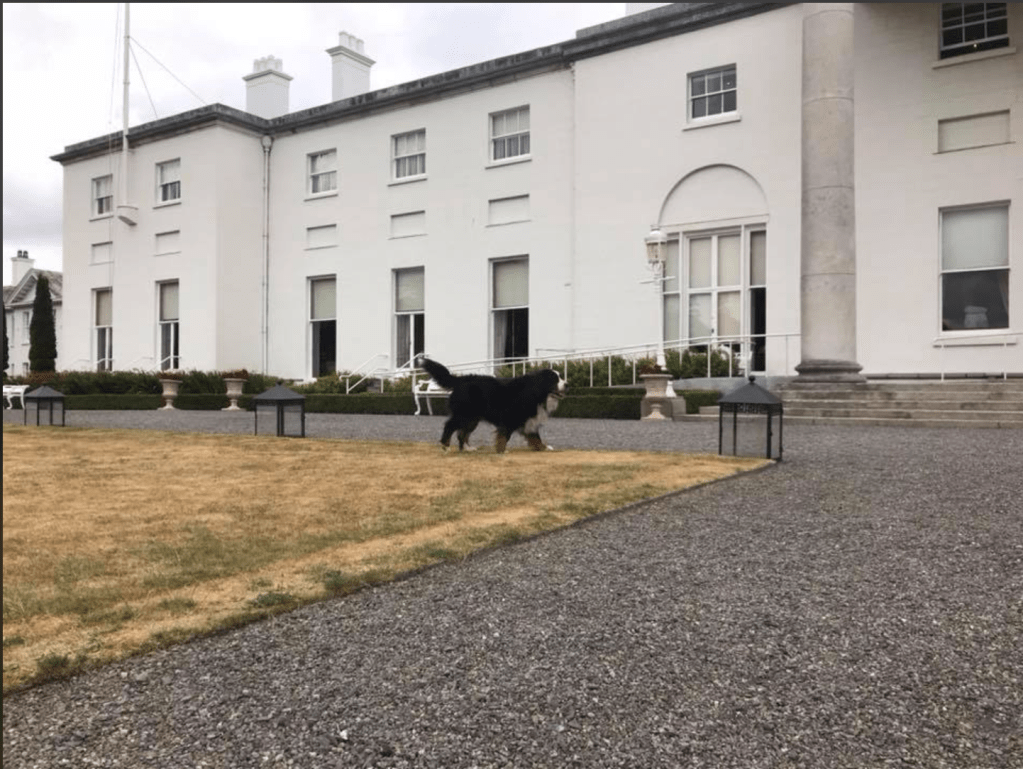
On the more cheerful end of the spectrum of my experience, I was lucky enough to visit both the Irish Parliament during a live session regarding the nation’s ecological policy as well as a tour of the Presidential Palace in Dublin. At the end of the tour, I was presented with a shocking experience as President Michael D. Higgins and his two giant St. Bernard dogs greeted me and my fellow students on the steps of the head of state’s home. The opportunity to meet a political leader, especially one with such overwhelming support as President Higgins, is an experience that I will relish for the entirety of my life.
Below, you will find a speech given by President Higgins regarding the role of the state, which I found to be quite theoretical yet it provides interesting insights into the ways that contemporary European governance differs from that of the American federal system. When considering the fact that Ireland is not responsible for its own economic decision-making, as part of its membership in the European Union, it begins to make sense that the government finds itself less focused on the practical element of governance than on the sort of optimistic and overarching idealism presented in the following clip.
 American Political Theorist