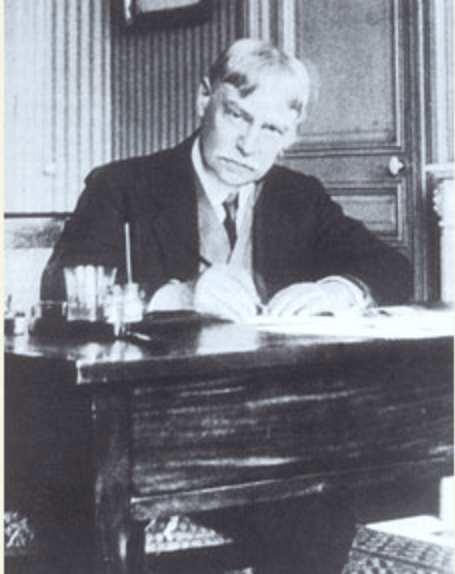
Julien Benda’s 1927 book “The Treason of the Intellectuals” is an important work in the liberal tradition that argues that academic philosophers should seek truth rather than align their views with their identity. Benda criticizes French authors who embraced a German worldview that stripped men of their morality and encouraged them to embrace their identity rather than engage in well-reasoned debate. However, Benda’s rejection of “patriotic observers” who tell their country’s history in a mythological way is not only applicable to conservatives. In fact, the concept of the “frenzy of impartiality” can also be seen as a problem in contemporary society, where people struggle to support their country without compromising their objectivity.
One point of contention with Benda is his belief that intellectuals should not engage in physical labor or consider war virtuous. He argued that philosophy was more metaphysical and transcendental, and that intellectuals were not capable of addressing societal problems through direct political action. However, this view neglects the importance of practical politics in shaping society. Currently, there is a worrying trend of stifling conversation and suppressing policy debates in universities. Even in prestigious Politics programs, discussions are reduced to absolutes and moral considerations are ignored. Instead of drafting policy proposals for the State Legislature, students are encouraged to draft letters condemning white supremacy. That does nothing to fundamentally alter the data we see from daily interactions but is a moralist veil behind which inaction is tolerable. This trend is concerning and must be addressed beyond the walls of school.
Benda’s work highlights the importance of seeking truth over identity and rejecting mythological narratives. However, his rejection of practical politics neglects its importance in shaping society. The current trend of stifling debate and reducing discussions to moral absolutes must be addressed to ensure the future of productive conversation and policy making.
 American Political Theorist